

Choosing the right generator for a camper can feel overwhelming, especially with so many power ratings and system configurations to choose from. Many RV owners ask, “What watt generator do most people use for their campers?” In practice, generator capacity is not based on preference alone. It is determined by the RV’s electrical design, installed equipment, and manufacturer specifications. Factors such as air conditioning systems, appliance load, inverter configuration, and intended usage all influence the required power output.
This guide explains how RV generator power requirements are determined, what affects capacity selection, and how properly engineered generator systems integrate into modern camper electrical designs.
Understanding Camper Power Requirements
Generator capacity is determined by the RV’s electrical design and the total connected load. RV manufacturers calculate required power based on installed systems such as:
-
Air conditioning
-
Refrigeration
-
Kitchen appliances
-
Lighting
-
Battery charging systems
-
Entertainment equipment
Each appliance has both a running load and a higher startup demand. Compressors, including air conditioners and refrigerators, can require brief increases in power during startup. Proper system design ensures these loads remain within the generator’s rated capacity.
In compact RV applications with limited electrical demand, lower power classes may be specified. As electrical systems become more complex, for example, with air conditioning and multiple simultaneous loads, higher power classes are often engineered into the design.
Final generator sizing should always follow the RV manufacturer’s specifications.
Where 4,000–5,000 Watt Generators Are Commonly Used
1. Supports Essential and Comfort Loads
Generators in this range can power multiple items at once, including:
-
Rooftop air conditioners
-
Kitchen appliances
-
Battery chargers
-
LED lighting
-
Entertainment systems
This means you can enjoy a comfortable camping experience with minimal load management.
2. Provides Adequate Surge Capacity
Starting an air conditioner or refrigeration compressor can require a brief surge of additional power. Proper generator sizing ensures these startup loads are supported within the unit’s rated capacity, avoiding overload conditions that could trigger protective shutdown.
3. Designed for Compact Installation Spaces
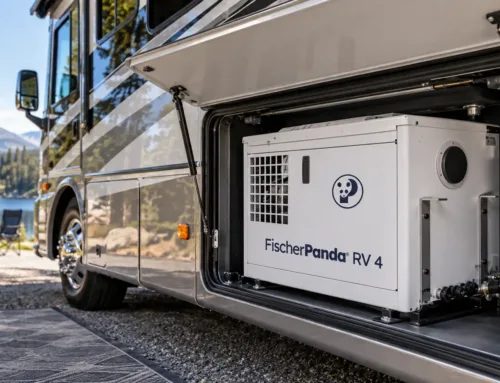
Campers and motorhomes often have dedicated generator compartments with defined dimensional and mounting specifications. Generator selection must align with these constraints to ensure proper installation, ventilation, and service access.
Compact, well-engineered generator systems are designed to integrate within manufacturer-specified installation spaces while maintaining performance and reliability.
4. System Efficiency and Load Matching
Generator efficiency is closely tied to proper load matching. When a generator is specified according to the RV’s electrical design, it operates within its intended performance range, supporting fuel efficiency and long-term durability.
Oversizing or undersizing relative to system demand can reduce operational efficiency. For this reason, generator capacity should align with manufacturer-defined electrical requirements rather than general assumptions.
Generator Sizing Is Determined by the RV Manufacturer
Generator sizing is typically defined by the RV or coach manufacturer during the design phase. Electrical load calculations, installed equipment, inverter systems, and intended usage profiles all influence the final specification. If you are replacing a generator, always refer to your RV manufacturer’s documentation or consult a qualified technician before selecting a unit.
Fischer Panda RV Generators for Camper Power
Fischer Panda offers high-quality, quiet, diesel RV generators engineered for mobile applications. They are ideal if you want reliable power, low noise, and long service life in a compact footprint. Two excellent options in the mid-range wattage class are:
Fischer Panda RV 4 DC Generator
The Fischer Panda RV 4 DC generator is designed for RVs built around DC-based electrical architectures. It efficiently supplies direct current for battery charging and onboard DC systems, with configurable output to match various battery voltages.
This model is commonly integrated into:
- Camper vans
- Off-grid systems with battery banks
- RVs utilizing 12V, 24V, or 48V DC platforms
- Electrical systems where charging efficiency and system integration are priorities
Because it delivers DC power directly, it integrates seamlessly with inverter-based and solar-supported systems, minimizing unnecessary power conversion and improving overall system efficiency.
Fischer Panda RV 4 AC Generator
For campers that require standard AC power – like air conditioners, microwaves, and household appliances – the Panda 4kW AC RV generator is a reliable choice. At about 4,000 watts of continuous power, it:
-
Handles multiple appliances simultaneously
-
Provides robust surge capacity
-
Fits in compact RV bays
-
Runs quietly and efficiently
This model is especially popular with RV owners who want a balance between powerful performance and manageable size.
Choosing the Right Model for Your Camper
When deciding between an AC or DC generator, think about your electrical setup:
-
AC Focus: If your camper depends on traditional outlets, air conditioning, and typical household devices, an AC generator like the Fischer Panda RV 4 AC generator is likely the better choice.
-
DC Focus: If your system is built around battery banks, solar charging, or 12V appliances, the Fischer Panda RV 4 DC generator provides efficient DC power that minimizes unnecessary conversions.
In many cases, camper owners use a combination of power sources. A durable diesel generator can serve as the backbone of your electrical system, supported by batteries and solar when conditions allow.
Final Takeaway: How is RV Generator Wattage Determined?
There is no universal generator size for campers. The correct wattage depends on the RV’s design, installed systems, and manufacturer specifications. Understanding general power classes can help you have informed conversations with your dealer or coach builder, but final sizing should always follow OEM guidance.
Fischer Panda offers generator models in several power classes commonly specified by RV manufacturers. The Fischer Panda RV 4 DC and Fischer Panda RV 4 AC are examples of units often used in compact and mid-size RV applications, depending on system configuration. Whether you’re powering an air conditioner in the desert, charging batteries in the forest, or running appliances at a remote campsite, choosing the right wattage helps ensure a comfortable and reliable camper experience, no matter where the road takes you.

Instant answers, expert support—right from your pocket. Download the Fischer Panda Ethan App now.