
Not all generator power is created equal. The quality of the electrical output a generator produces directly affects how your onboard electronics perform, how long they last, and whether certain equipment will operate at all. Understanding the difference between pure sine wave and modified sine wave output is one of the most practical things a boat owner or RV owner can know before choosing a power system.
What Is a Sine Wave?
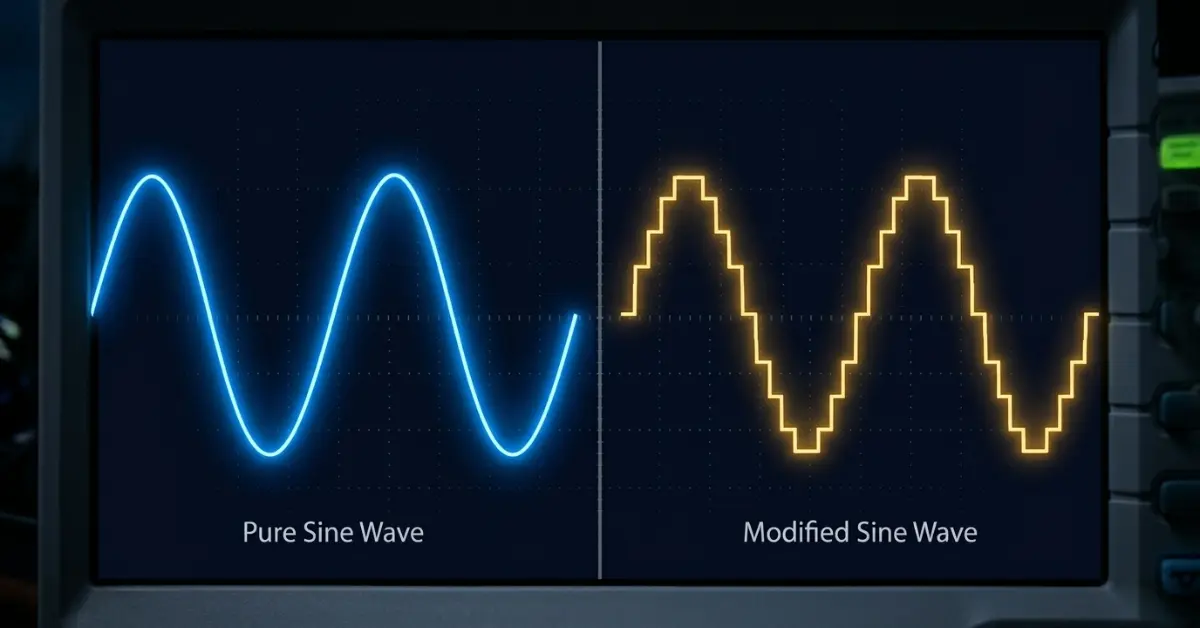
Alternating current electricity, which is what generators produce, cycles between positive and negative voltage in a wave pattern. The shape of that wave determines the quality of the power being delivered. In a perfect world, that wave is smooth and continuous, which is what a pure sine wave looks like. The power coming from shore power or a utility grid is pure sine wave by nature.
Pure Sine Wave vs Modified Sine Wave: The Key Difference
A pure sine wave is a smooth, continuous curve that precisely replicates grid-quality power. A modified sine wave is a stepped approximation of that curve. It gets the job done for basic resistive loads like simple lighting or heating elements, but it falls short when powering more sophisticated loads.
The real-world impact of modified sine wave power on sensitive electronics includes:
- Increased heat generation inside devices, shortening their lifespan
- Buzzing or humming from audio equipment and motors
- Erratic behavior or failure to operate in microprocessor-controlled devices
- Reduced efficiency in battery chargers, which can cause incomplete charging cycles
- Incompatibility with certain medical devices, variable speed motors, and inverter-based appliances
What This Means Onboard
Modern vessels and RVs carry a wide range of electronics that are sensitive to power quality. Navigation systems, chartplotters, radar units, laptop computers, battery management systems, and CPAP machines all fall into this category. Air-conditioning compressors and refrigeration units with variable-speed motors are also affected.
The clean sine waveform, with precise voltage and frequency regulation, ensures a stable and efficient power supply for sensitive electronic devices, delivering high starting performance for inductive loads such as air conditioning and underwater compressors. This matters particularly for AC units, where a poor quality waveform can prevent the compressor from starting correctly or cause it to run inefficiently.
Fischer Panda’s Pure Sine Wave Output
Fischer Panda generators deliver pure sine wave output, making them ideal for sensitive electronics, air conditioning, and compressors. The output voltage remains constant at all times, regardless of load changes, delivering exceptional voltage and frequency stability.
For liveaboards running full home office setups, navigation electronics, and climate control systems simultaneously, that stability is not a luxury, it is a requirement. The same applies to RV owners running residential appliances and entertainment systems far from shore power.
The Bottom Line
If your vessel or vehicle carries any electronics more complex than a basic light bulb, pure sine wave output should be a non-negotiable on your generator checklist. Modified sine wave power is a compromise that shows up in equipment performance, reliability, and lifespan over time.
To explore Fischer Panda’s full generator lineup or speak with a specialist about the right model for your setup, visit fischerpanda.com or call 1-800-508-6494.

Instant answers, expert support—right from your pocket. Download the Fischer Panda Ethan App now.