
In 2026, marine system design is shifting toward a “quiet professional” standard. Vessel owners, shipbuilders, and marine engineers are placing greater emphasis on noise reduction, vibration control, and system efficiency. As onboard expectations increase, generator selection is no longer just about power output; it’s about operational performance and onboard experience.
A modern marine generator plays a critical role in this shift. Advances in liquid-cooled technology and sound enclosure design are allowing vessels to operate with significantly lower acoustic signatures while maintaining reliable power delivery.
Why Noise Reduction Is Now a Priority in Marine Systems
Noise is one of the most common complaints in both commercial and recreational marine environments. For vessel operators, excessive generator noise can impact:
- Crew comfort and fatigue over extended operations
- Passenger experience on yachts and charter vessels
- Communication clarity onboard
- Overall perceived vessel quality
As a result, quieter systems are no longer considered a premium feature. They are becoming a baseline requirement across many marine applications.
Air-Cooled vs Liquid-Cooled Marine Generators
One of the most important distinctions in generator design is the cooling system. This directly affects noise levels, vibration, and long-term performance.
Air-Cooled Systems
Air-cooled generators are typically simpler but come with trade-offs:
- Increased noise output
- Greater vibration transfer through the vessel
- Reduced efficiency under sustained loads
These systems are often not suitable for applications where low noise and continuous operation are required.
Liquid-Cooled Marine Generators
Liquid-cooled systems, particularly those using 100% freshwater cooling, offer significant advantages:
- Lower acoustic output due to reduced engine stress
- Improved vibration control
- More stable operating temperatures
- Greater efficiency during continuous-duty cycles
Because the cooling system manages heat more effectively, the generator can operate under load without the increased noise associated with air-cooled designs.
Operational Benefits of a Quiet Marine Generator
Reducing generator noise is not just about comfort; it directly impacts operational efficiency and vessel performance.
Improved Onboard Environment
Lower noise levels contribute to a more controlled and professional onboard environment, particularly in applications involving passengers, crew operations, or extended deployment.
Reduced Mechanical Stress
Generators designed for quieter operation typically produce less vibration, which can reduce wear on surrounding components and improve overall system longevity.
Enhanced System Integration
Compact, sound-insulated generator systems are easier to integrate into modern vessel designs where space optimization and system layout are critical.
Engineering Considerations for 2026 Vessel Design
For shipbuilders and system integrators, selecting the right marine generator now involves evaluating more than just output capacity. Key considerations include:
- Acoustic performance under load
- Cooling system design and efficiency
- Installation footprint and weight
- Compatibility with onboard electrical systems
- Long-term maintenance and reliability
Liquid-cooled generators have become the preferred solution for applications where these factors must be carefully balanced.
Evaluating Modern Marine Generator Performance
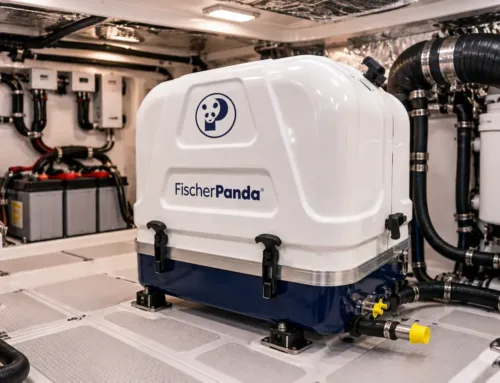
Fischer Panda’s marine generators are engineered specifically to address these evolving requirements. With fully enclosed, liquid-cooled designs, these generators are built to minimize noise and vibration while delivering consistent power output.
For a detailed comparison of performance specifications, including sound levels and available configurations, review the full marine generator lineup here:
https://fischerpanda.com/marine/
This includes models such as the Fischer Panda 5000 AC and Fischer Panda 8 Mini DP, which are designed for applications where quiet operation and efficient power delivery are critical.
Conclusion: Quiet Power as a Competitive Advantage
As vessel design standards continue to evolve, quieter systems are becoming a key differentiator in both commercial and recreational marine markets. A properly selected marine generator can significantly improve onboard conditions, reduce mechanical stress, and support long-term operational performance.
For 2026 and beyond, quiet, liquid-cooled generator systems are not just an upgrade. They’re becoming an essential component of modern marine engineering.

Instant answers, expert support—right from your pocket. Download the Fischer Panda Ethan App now.