
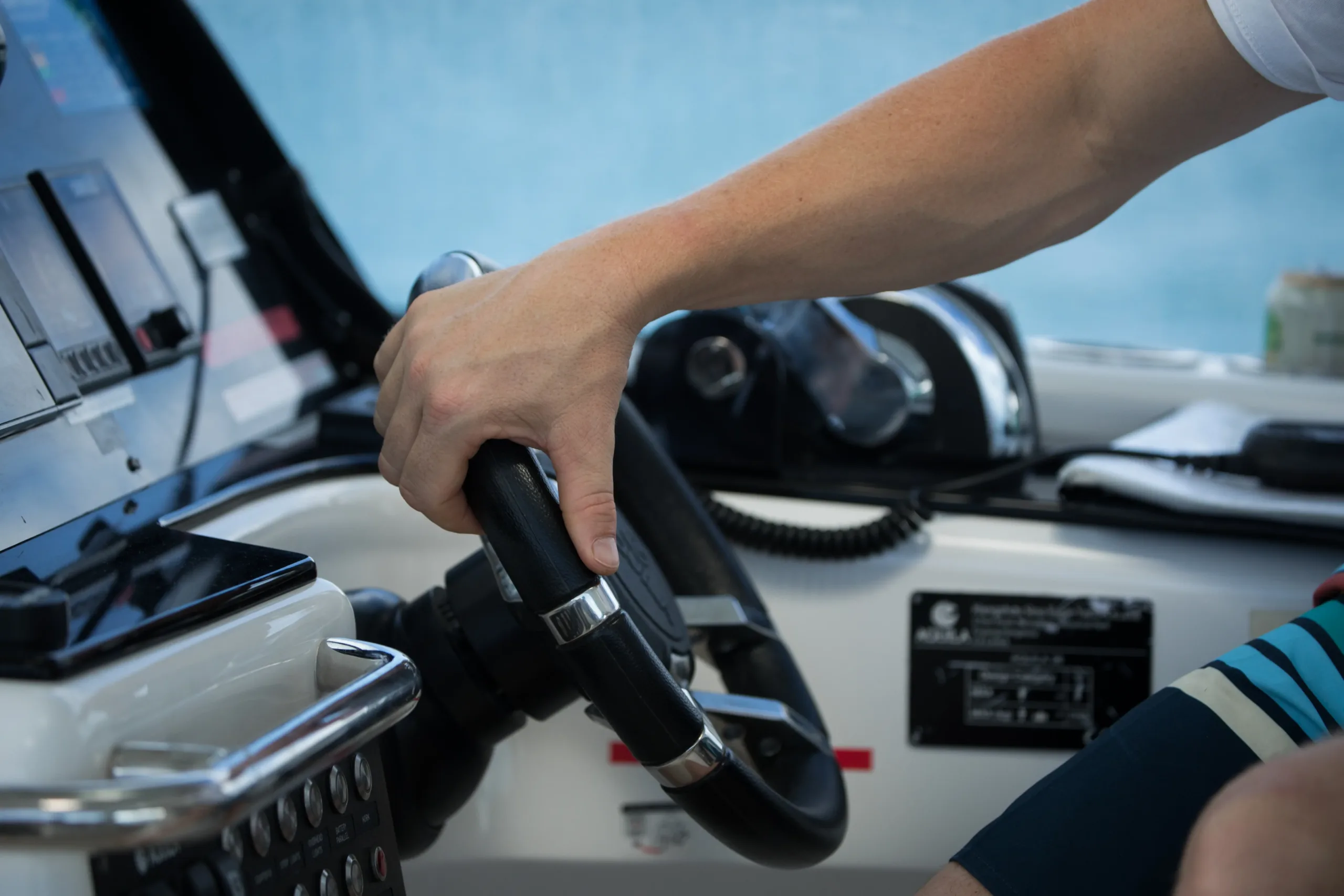
In 2026, vessel design is undergoing a major shift toward fully integrated digital systems. Modern boats are no longer built around isolated components with independent control panels. Instead, shipbuilders and system integrators are moving toward centralized, “one-screen” command environments where all critical systems are monitored and controlled through a single interface.
At the center of this evolution is the marine generator. No longer treated as a standalone power source, it is now expected to integrate seamlessly into the vessel’s broader electrical and data ecosystem.
The Rise of the Digital Helm
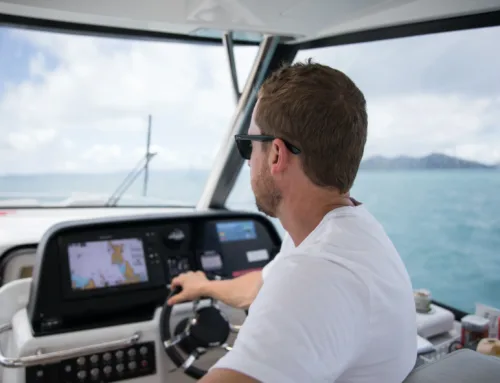
The concept of the “digital helm” is rapidly becoming the standard across both commercial vessels and high-end recreational builds. Multi-function displays (MFDs) from leading manufacturers like Garmin, Raymarine, and Simrad are now capable of consolidating:
- Navigation systems
- Engine data
- Fuel monitoring
- Electrical systems
- Climate control
- Generator performance
For vessel operators, this means fewer interfaces, simplified control, and improved situational awareness. For builders and integrators, it means designing systems that can communicate efficiently across a unified network.
Why One-Screen System Control Matters
From an operational standpoint, integrating all vessel systems into a single interface provides several advantages:
Improved Monitoring and Diagnostics
Operators can view real-time generator data such as:
- Load levels
- Operating temperature
- Fuel consumption
- System alerts
This reduces the need for manual checks and improves response time to potential issues.
Enhanced User Experience
Centralized control eliminates the need for multiple panels and reduces complexity for both crew and end users.
Reduced Training and Operational Errors
With fewer interfaces to manage, crew members can operate systems more efficiently and with less risk of misconfiguration.
NMEA 2000 and CAN Bus Integration for Marine Generators
Modern vessel systems rely heavily on communication protocols such as NMEA 2000 bus to enable seamless data sharing between components.
Fischer Panda marine generator systems are designed with these standards in mind, allowing for:
- NMEA 2000 generator monitoring directly through onboard displays
- Integration with vessel-wide CAN bus networks
- Real-time data transmission to MFD systems
- Remote monitoring without dedicated generator panels
This level of integration allows the generator to function as part of the vessel’s overall smart system rather than as an isolated unit.
Smart Boat Electrical Systems and Generator Automation
As vessels become more advanced, smart boat electrical systems are enabling automated responses based on real-time conditions.
Integrated marine power systems can support features such as:
- Automatic generator start/stop triggers based on battery levels
- Load-based activation to support peak demand
- System alerts and diagnostics pushed directly to displays
- Remote system management from a central interface
This transforms the marine generator from a manually controlled component into an intelligent part of the vessel’s power management system.
The B2B Advantage: Faster Integration, Lower Installation Costs
For OEMs, boat builders, and refit yards, integration is not just a technical feature, it’s a cost and efficiency driver.
Reduced Installation Time
Pre-configured communication compatibility reduces the need for custom wiring and complex panel installations.
Simplified System Design
With generator data available through existing MFD systems, there is less need for additional hardware or redundant control interfaces.
Lower Labor Costs
Streamlined integration reduces engineering time and installation complexity, particularly in multi-system builds.
Future-Proofing Vessel Design
Integrated systems are easier to upgrade and expand, ensuring long-term compatibility with evolving marine technologies.
Integrated Marine Power as a Standard for 2026
The shift toward integrated marine power is not a trend and is now becoming the baseline expectation. Vessel owners and operators expect seamless communication between systems, real-time monitoring, and automated performance optimization.
Marine generators that cannot integrate into these systems risk becoming a bottleneck in otherwise advanced vessel designs.
Explore Integrated Marine Generator Solutions
Fischer Panda’s marine generator lineup is engineered to support modern integration requirements, including NMEA 2000 and J1939 bus compatibility. These systems are designed to operate as part of a connected onboard ecosystem, delivering both reliable power and seamless communication.
To explore specifications, integration capabilities, and available models, visit:
https://fischerpanda.com/marine/
This page provides a detailed overview of marine generators designed for today’s digitally integrated vessels.
Conclusion: From Standalone Systems to Smart Integration
The role of the marine generator is evolving. It is no longer just a power source; it’s a data-driven component of the vessel’s overall system architecture.
For builders, integrators, and operators, the ability to integrate generator performance into the digital helm is a key differentiator in 2026. Systems that support seamless communication, automation, and centralized control will define the next generation of marine design.

Instant answers, expert support—right from your pocket. Download the Fischer Panda Ethan App now.